
How Oil is extracted from shale formations
Oil shale and shale oil extraction represent one of the most important technological developments in modern petroleum engineering. Unlike conventional reservoirs, where hydrocarbons migrate into porous permeable formations such as sandstone or carbonate, shale formations contain oil trapped within extremely fine-grained sedimentary rock with very low permeability.
Geological nature of shale
Shale is fine-grained sedimentary rock composed mainly of clay minerals, quartz, and organic matter. In many petroleum basins, shale acts both as a source rock and as an unconventional reservoir. Organic-rich shale contains kerogen, which under thermal maturity generates hydrocarbons. However, due to the very tight pore structure, production is difficult without artificial fracture creation.
Drilling phase
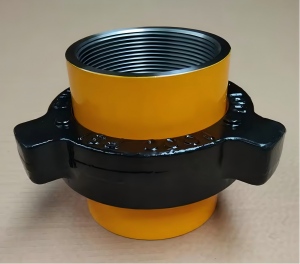
The extraction process begins with vertical drilling from the surface until the target shale interval is reached. After landing in the desired formation, the well trajectory is gradually deviated into a horizontal section that may extend for several kilometers inside the shale layer. Horizontal drilling significantly increases contact with the productive zone compared with vertical well.
During this phase, technologies such as measurement while drilling(MWD) and logging while drilling(LWD) are essential for geosteering, formation evaluation, and keeping the well inside the most productive interval.
Hydraulic fracturing process
After drilling and casing installation, hydraulic fracturing is is performed. High-pressure fluid is pumped into the formation to create artificial fractures in the rock. The fracturing fluid usually contains water, sand, and selected chemical additives.
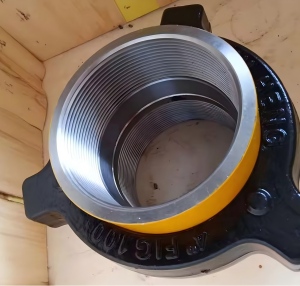
The sand acts as proppant, keeping the fractures open after pumping pressure is released. These fractures create flow pathways that allow trapped hydrocarbons to move toward the wellbore.
Modern shale wells are usually fractured in multiple stages along the horizontal section, using plug and perforation or sliding sleeve systems to simulate different intervals separately.
Production mechanism
Once fractures connect the rock matrix to the wellbore, oil and gas begin flowing to the surface. Initial production rates may be high, but shale wells often show rapid decline, which requires continuous field development and additional additional wells to sustain production.
Engineering challenges
Shale extraction requires accurate well placement, pressure control, fracture design, and detailed understanding of formation stresses. Engineers must also manage drilling fluid properties, casing integrity, and completion design to avoid operational problems.
